Wall and floor tiling for homes in Kent
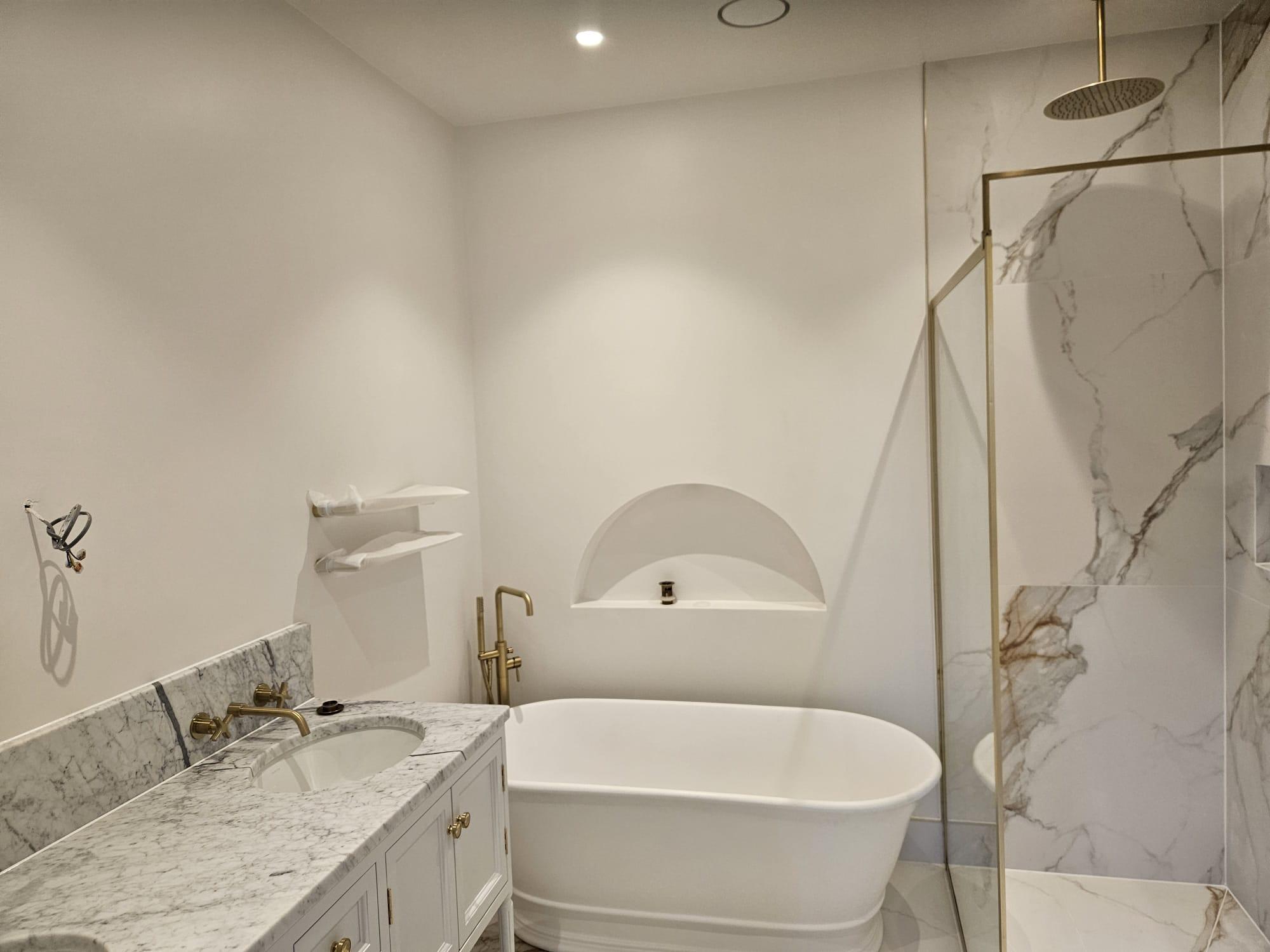
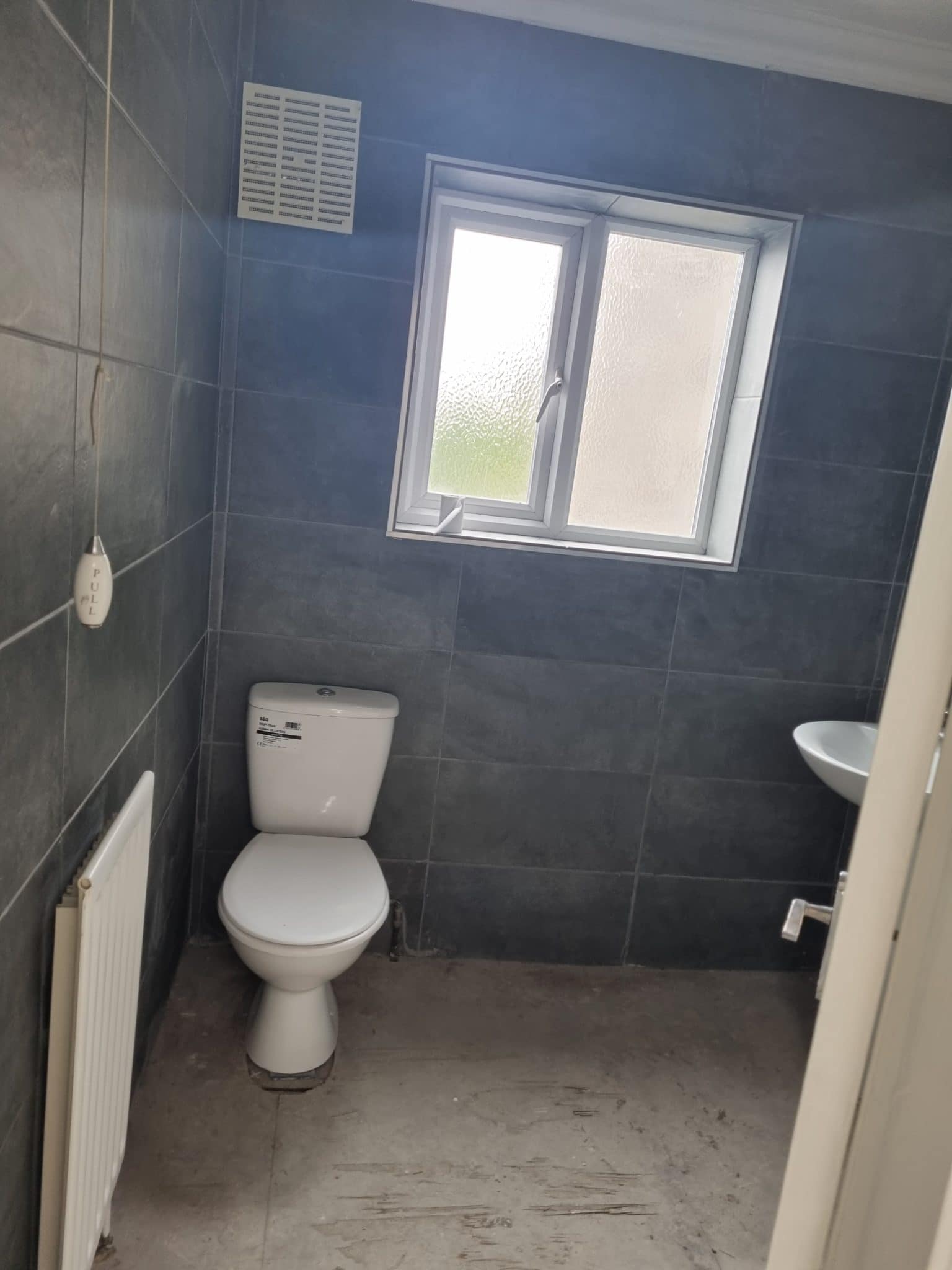
A-Z Decorators tiles walls and floors in bathrooms, shower enclosures, cloakrooms, kitchens and hallways for homes across Kent. Tiling often sits alongside the rest of a redecoration, so the walls, ceiling and woodwork can be finished by the same team in the same visit, and our people bring more than 30 years in the trade to the job.
Tiles are expensive to get wrong. A crooked line, a thin sliver of cut tile at a corner or a grout joint that cracks within a year is there to be looked at every day, and putting it right means taking the tiles off again. Most tiling problems start before the first tile goes on, which is why the wall or floor underneath and the setting out get as much attention as the tiling itself.
Every job starts with a free, no-obligation quotation. We look at the room, measure up, talk through the tiles you have chosen or are thinking about, and set out the materials, labour and time frame in writing.
How we prepare walls and floors for tiles
A wall has to be strong enough to carry the tiles and flat enough to lay them true. Tile adhesive is not a way of hiding a bumpy wall, as the adhesive maker Instarmac points out in its guidance on tiling onto plaster and plasterboard.
Weight matters more than most people expect, especially with the large-format and stone-effect tiles that are popular now. Instarmac gives a maximum tile weight for each kind of wall, including the adhesive and grout. For gypsum plaster it is 20 kg per square metre, for unskimmed plasterboard 32 kg, and for tile backer boards 40 kg, with the adhesive and grout typically adding 2 to 4 kg per square metre on their own. Heavy tiles on a plastered wall can be more than it is rated for, so we check the weight of the tiles against the wall before anything is fixed.
New plaster needs time. Instarmac says a plastered wall should be at least four weeks old before tiling, so it is strong and dry enough, and that tiles should not go onto bonding or backing plaster. Where the wall is not right we tell you at the quotation, so it can be put right first.
Floors have rules of their own. A concrete or sand and cement screed has to have cured and dried before it is tiled. Instarmac's guidance on tiling onto a sand and cement screed is to repair any cracks, cut out weak or crumbling screed, confirm the floor is dry with a moisture reading if in doubt, and carry the screed's movement joints up through the tiles rather than tiling over them.
Timber floors move more than concrete, and movement is what cracks tiles and grout. The Tile Association reports that the 2024 edition of BS 5385-3, the British Standard for floor tiling, now advises an intermediate layer, such as an uncoupling membrane, a reinforced tanking system or a tile backer board, when tiling onto plywood and other wood-based boards. Overboarding raises the floor a little, so doors and thresholds are checked at the quotation.
Then comes the setting out. We work out where the cuts will fall before fixing a single tile, so the rows run level, the pattern sits centrally on the main wall or across the doorway, and there are no thin slivers of tile at corners, windows, the edge of the bath or the foot of a door.
What can we provide?
We have been providing painting and decorating services throughout the local area for years.
Tiling jobs we take on
Tiling covers a lot of different rooms, and each one has its own demands.
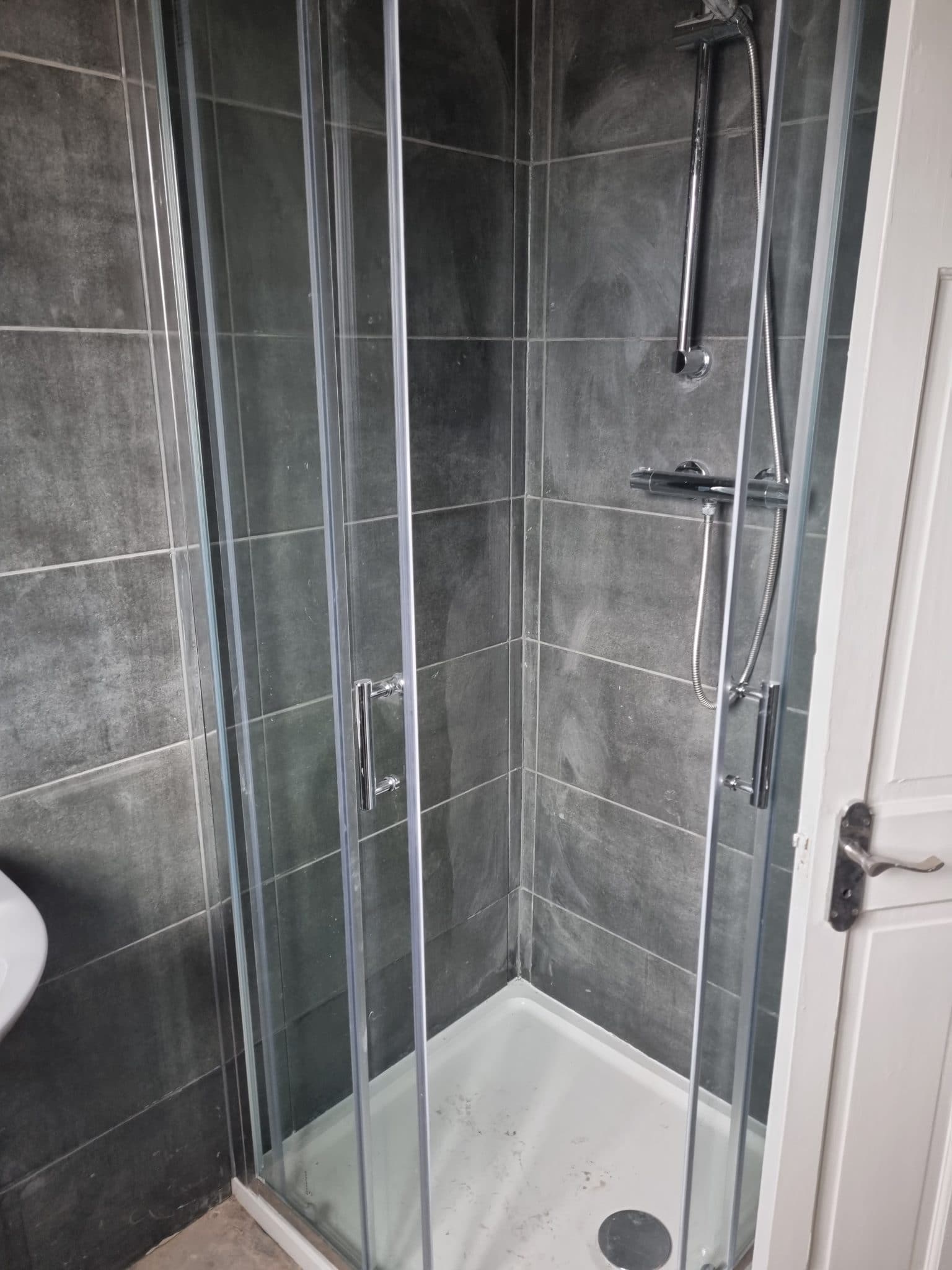
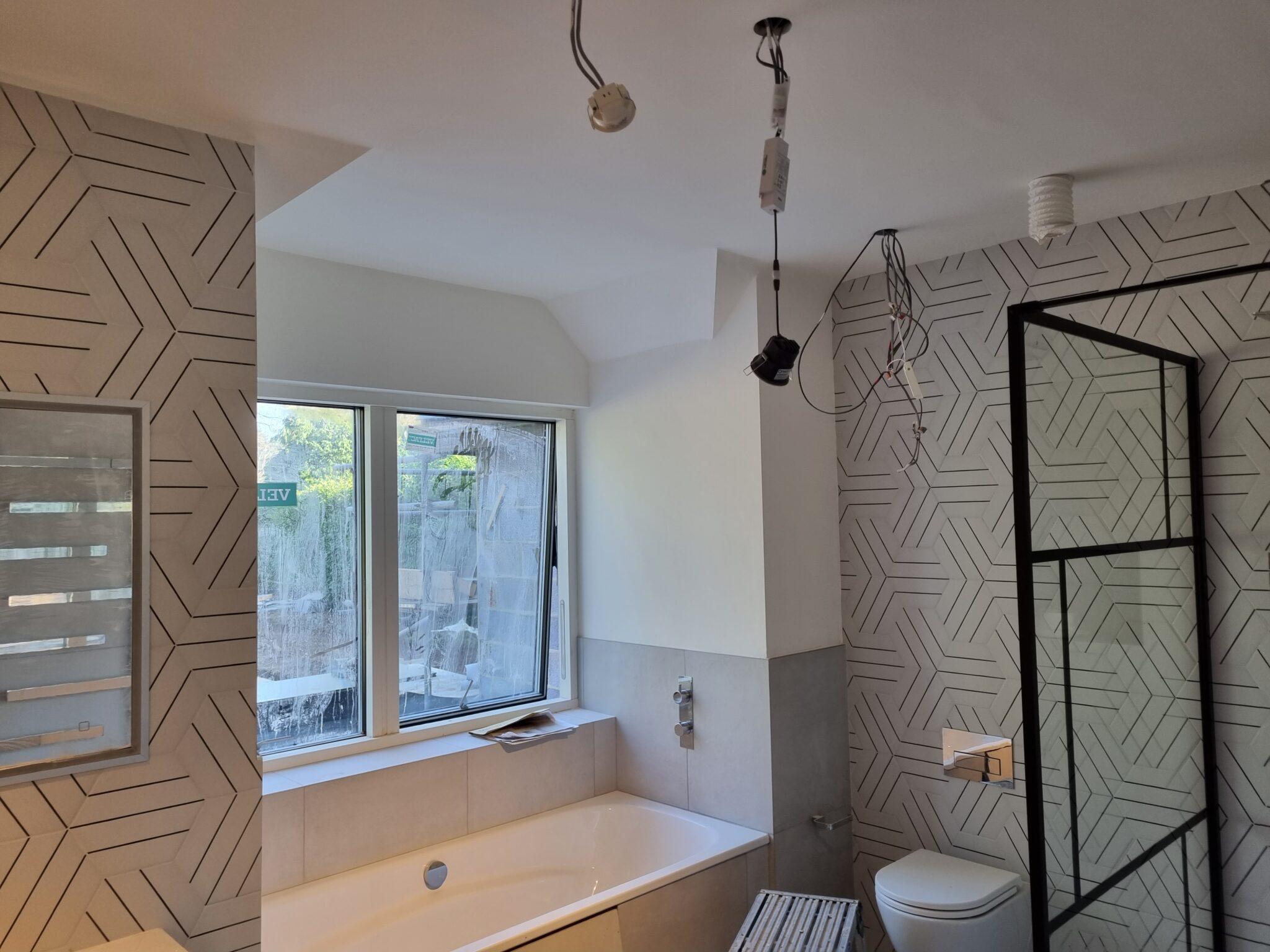
Bathrooms and shower enclosures
Bathrooms take more water and steam than any other room. Inside a shower the wall behind the tiles is waterproofed first, because grout and tiles on their own do not keep water out of the wall. Joints are finished with a flexible sealant where the tiles meet the bath, tray or basin, since those are the joints that move.
A new bathroom is often more than tiling. GOV.UK's guide to building work, replacements and repairs lists new bathroom installations and electrical work around baths and showers among the jobs that are notifiable under the Building Regulations, so the plumbing and electrics need a registered installer or a building control sign-off. The walls that are not tiled need a paint made for steamy rooms, which our bathroom paint guide covers.
Kitchens and splashbacks
Behind a hob and sink, tiles protect the wall from heat, splashes and grease and are easy to wipe down. A splashback is a small area, so it is a good place for a stronger colour or a patterned tile, and it can be done on its own or as part of a wider interior decorating job. For the painted walls around it, our post on the best paint for your kitchen explains which finishes cope with cooking.
Floors in kitchens, bathrooms and hallways
A tiled floor takes footfall, water and the odd dropped pan, so porcelain is the usual choice, and in a bathroom or kitchen a tile with a textured, slip-resistant surface is worth choosing over a polished one. Hallways suit a hard-wearing tile in a colour that hides outdoor dirt between cleans.
Tiles and underfloor heating work well together if the order is right. Instarmac's guidance on tiling over warm water underfloor heating is that the screed must cure before the heating is switched on, generally 21 days for a sand and cement screed, and that the system must be fully commissioned with a heat-up and cool-down cycle before tiling. The adhesive and grout must be flexible, and the heating should stay low while the tiles go down, at a floor temperature of no more than 15°C.
Choosing tiles and grout
Porcelain tiles are denser than ordinary ceramic ones and take in less water, which suits showers and floors, but they are also heavier and harder to cut, so they need the right wall and the right tools. Large tiles show any unevenness in the wall far more than small ones, and a long rectangular tile laid in a brick pattern needs a flatter wall still.
Grout is easy to overlook and makes a big difference to the finished look. A grout close to the tile colour lets the tiles read as one surface, a contrasting one picks out every joint, and a mid-grey hides everyday marks better than bright white in a busy kitchen. It is worth holding a grout sample against a spare tile before deciding, because colours change once the grout has dried.
Tiling over old tiles
Taking old tiles off can damage the plaster underneath, so tiling over them is sometimes the better option, as long as the old tiles are firmly stuck, flat and sound, and the extra weight is within what the wall can carry. Our post on whether you can tile over existing tiles goes through when it works and when it does not.
If retiling is not in the budget yet, tiles can be painted with the right primer. Zinsser says its B-I-N shellac primer grips even difficult surfaces like ceramic tiles, and our painting services page covers the rest of that work.
Booking your tiling
You can see more of our bathrooms and kitchens in the gallery, and tiling is often part of a wider interior refurbishment. Everything we offer is on our services page, and we work right across the county, including Sittingbourne, Lenham and Tenterden. To arrange your free quotation, contact us by phone, email or WhatsApp, or read reviews of A-Z Decorators on Google.